Brevard Beachfront Properties Can Get Help Paying for Turtle-Friendly Lights
A Sea Turtle Conservancy grant program can help eligible Brevard properties replace beach-visible fixtures and bulbs with wildlife-friendly lighting.
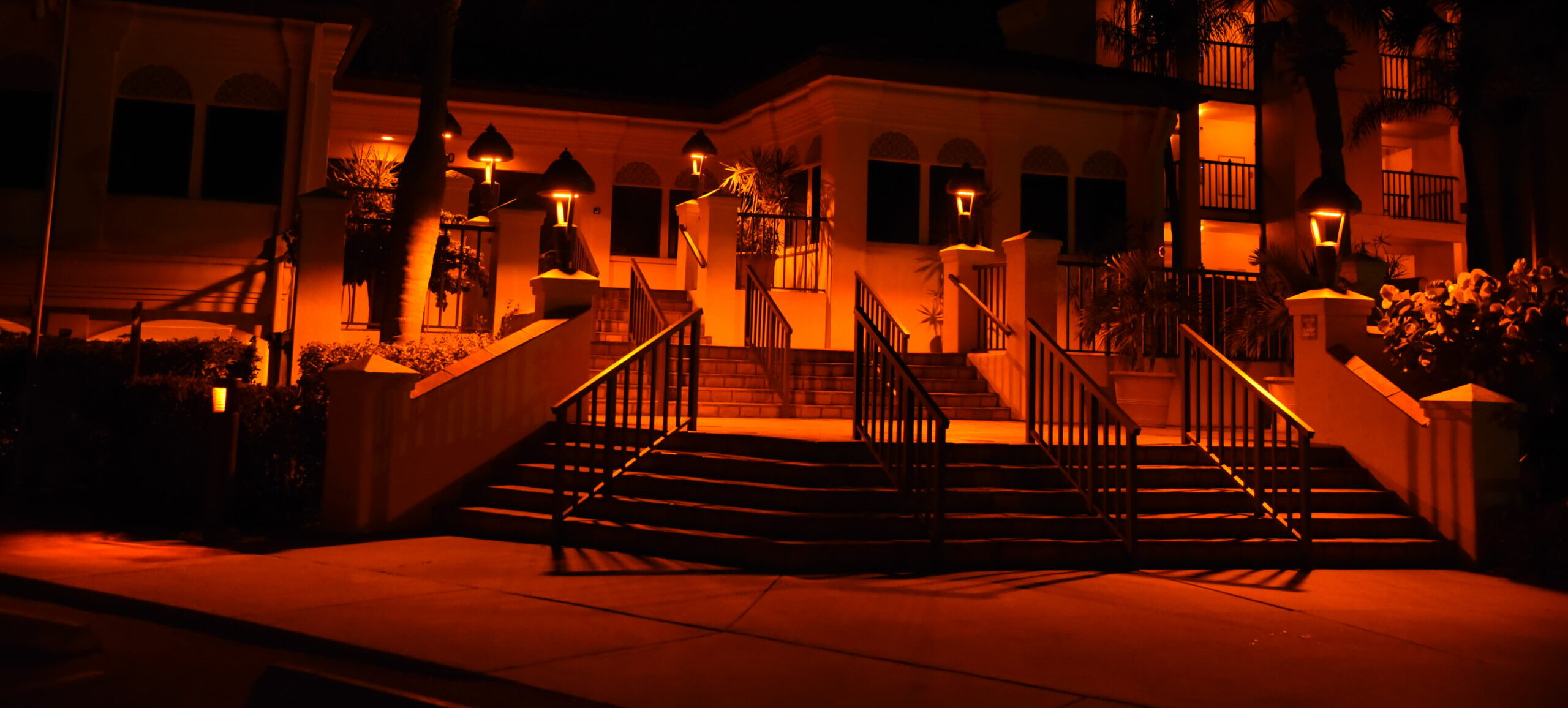
A porch light that looks harmless from the parking lot can become a dangerous beacon from the beach. A grant program from the Sea Turtle Conservancy is designed to help Brevard property owners fix that problem.
The nonprofit is using a multi-year National Fish and Wildlife Foundation grant to retrofit problem lighting on coastal properties in Brevard County and other parts of Florida. Eligible homeowners, condominium associations, hotels and businesses can work with the Conservancy on a custom plan for fixtures visible from the beach.
The program aims to cover 100% of the cost of approved fixtures and bulbs. Participating properties are typically responsible for installation costs and for scheduling the work.
Why light direction matters
Sea turtles evolved with a naturally dark coastline. Hatchlings use the brighter open horizon over the ocean to orient themselves after emerging from a nest. Artificial lights can pull them inland, where they may become exhausted, encounter predators or reach a roadway.
Adult nesting turtles can be affected, too. Bright or poorly shielded lighting may discourage them from nesting or send them in the wrong direction after they come ashore.
Brevard County's natural-resources guidance asks residents and businesses near the beach to turn off unnecessary lights during nesting season, which runs from March 1 through October 31 in the county. Existing marine-turtle protection rules also require beachfront lighting to be configured so it does not shine onto the sand.
Turtle-friendly does not mean leaving a property unsafe. The goal is to put the right amount of light where people need it: mounted low, shielded from the beach and using approved long-wavelength amber or red light instead of bright white or blue light.
How the retrofit process works
Sea Turtle Conservancy begins with both daytime and nighttime surveys. Staff photograph existing lights, count fixtures, measure illumination and talk with the property representative about maintenance, appearance and safety needs.
The Conservancy then prepares a lighting plan with proposed replacements. Once everyone approves the design, the organization obtains quotes and creates a grant agreement covering the approved fixtures and bulbs.
Under the standard process, the property receives 70% of the award after the agreement is signed. It orders the materials and arranges installation. Conservancy staff return at night for a post-installation survey, compare light levels and confirm that the work follows the plan. The remaining grant amount is paid after the final documentation is completed.
That process matters because simply buying an amber bulb is not always enough. Height, shielding, direction and what is actually visible from the sand all affect whether a fixture works as intended.
Who should ask about the program
The Conservancy prioritizes areas with documented turtle disorientations, dense nesting and residential development, nearby conservation land or other completed retrofits. It also works with local code-enforcement and conservation groups to identify lights that are causing problems.
A property does not need to guess whether it is a good candidate. Owners and managers can call the Sea Turtle Conservancy at 352-373-6441 and ask for the lighting team. Staff can explain current eligibility, funding availability and the next survey steps.
The best outcome is a property that feels safe to residents and guests but disappears into the dark beach from a turtle's point of view.
Sources and useful links

Claire Szewczyk
Claire has called Florida home for a decade, but her love of the Space Coast goes back further — to the beat-up Kennedy Space Center coffee table book she found in a thrift store when she was five. She writes about the people, places, and history that make Brevard County great, and those stories are where Brightside Brevard began.