Port Canaveral's New Cargo Route Links Brevard With Mexico and the Northeast
A new container service is bringing electronics, refrigerated cargo and fresh food through Port Canaveral—with room to grow as demand builds.
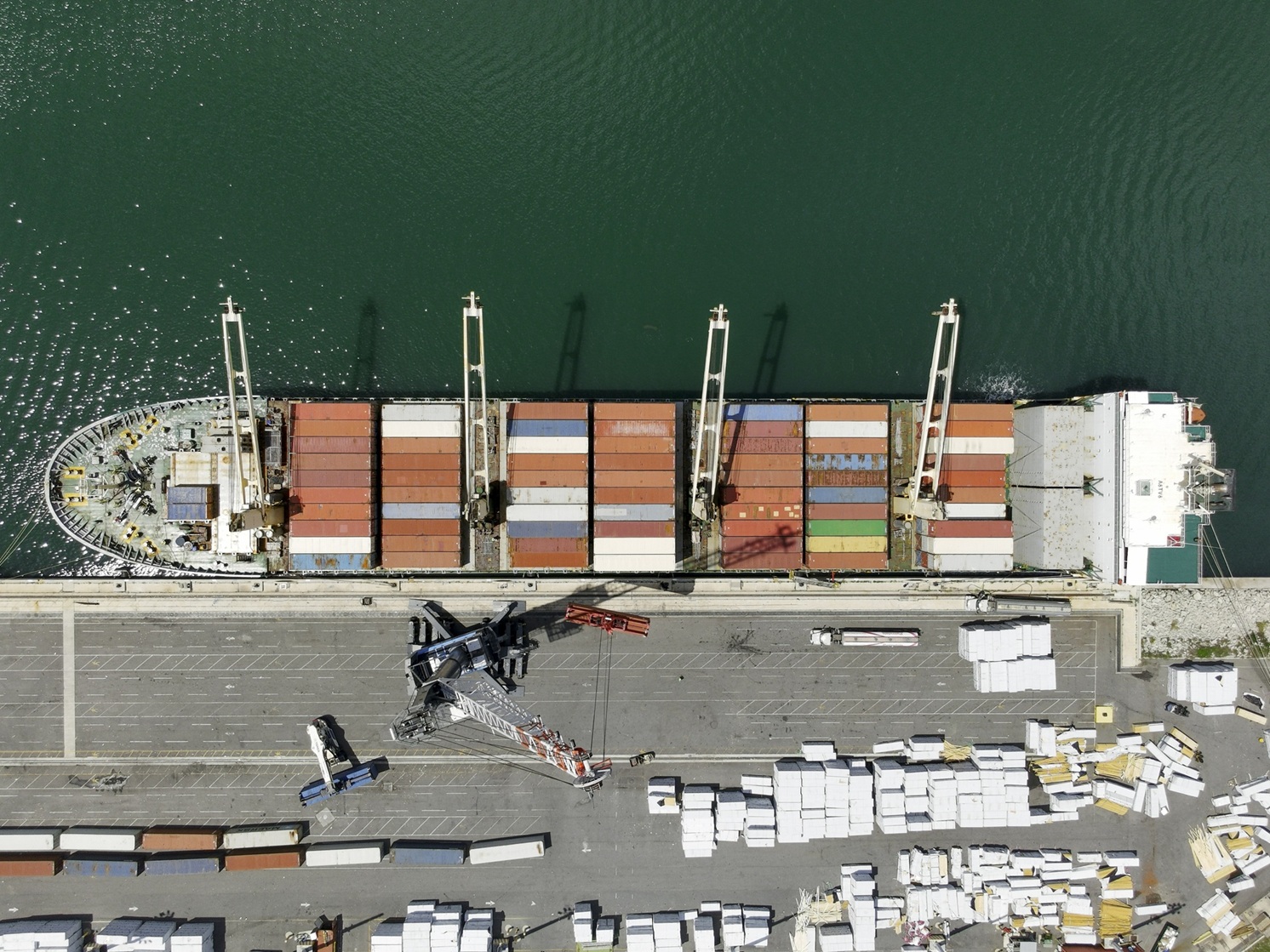
Port Canaveral is best known for cruise ships and rocket recoveries, but a new arrival at North Cargo Berth 6 shows another side of the port's work.
The MV Whale Orca made its inaugural call in July, opening a new international container service that connects Central Florida with markets in Mexico and the U.S. Northeast. The service is a partnership between maritime logistics company Green Tide Logistics and Port Canaveral cargo terminal operator GT USA.
Each call is projected to bring 80 to 120 import containers from Mexico. Port officials say the cargo mix includes electronics, refrigerated goods, fresh produce and other food products.
A new trade lane at North Cargo Berth 6
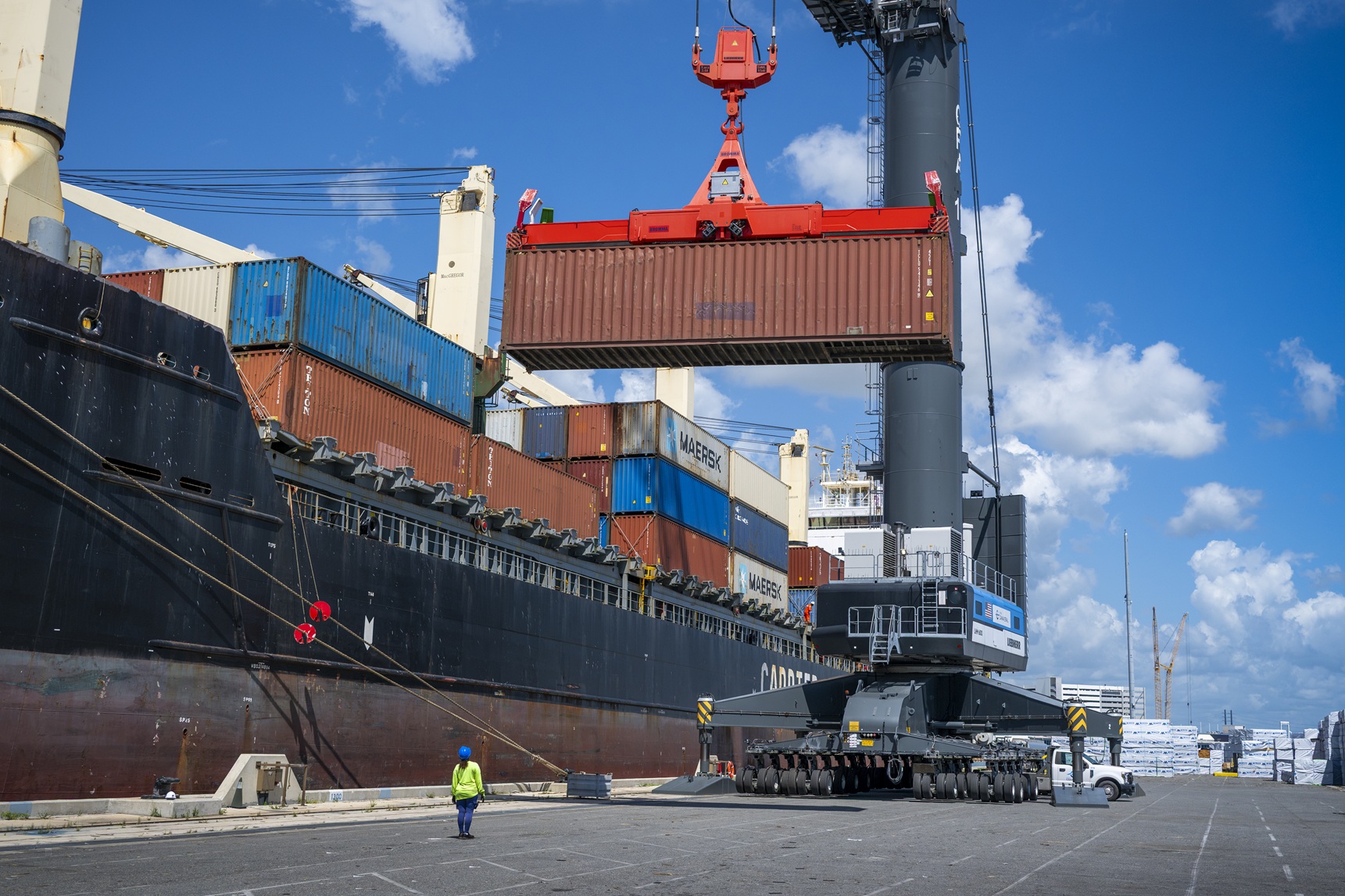
During the first call, Port Canaveral's heavy-lift mobile harbor crane moved electronics and food items from the Whale Orca onto the dock. GT USA is serving as terminal operator and stevedore, while Norton Lilly is the vessel agent.
The port describes the service as bi-monthly and says its frequency can increase if market demand supports it. Because “bi-monthly” can be used in more than one way, shippers should check the port's current cargo ship schedule rather than assume a fixed interval.
The early traffic is import-focused, but the partners are also developing export opportunities as the route matures. A two-way service would give Central Florida companies another path for moving goods without sending every container through a larger seaport farther from Brevard.
Representatives marked the inaugural call with a traditional maritime plaque exchange. Photo: Canaveral Port Authority.
Why the cargo side matters
Cruise activity may be the port's most visible business, but Port Canaveral is a multipurpose deepwater seaport. It handles containerized freight as well as petroleum, liquid and dry bulk cargo, breakbulk shipments and large project cargo.
According to the port, total cargo throughput exceeded 6 million tons in fiscal year 2026, generating $25 million in operating revenue. The new route adds another type of recurring business to that mix.
For the local economy, the importance is in the chain around the ship: terminal crews unload it, truckers move the containers inland, warehouses receive the goods and retailers or manufacturers put them to use. The first calls are modest compared with the nation's largest container ports, but a repeat service creates a base that can scale.
Port CEO Capt. John Murray said the partnership is meant to improve supply-chain connections and create new options for cargo customers across Central Florida.
The Whale Orca's first visit was only one ship call. What makes it notable is the route behind it—and the possibility that a berth usually outside the public spotlight could become a more regular link between Brevard, Mexico and the Northeast.
Sources and useful links

Claire Szewczyk
Claire has called Florida home for a decade, but her love of the Space Coast goes back further — to the beat-up Kennedy Space Center coffee table book she found in a thrift store when she was five. She writes about the people, places, and history that make Brevard County great, and those stories are where Brightside Brevard began.