Leadership Brevard Team Builds Volunteer Playbook for Junior Achievement
A Leadership Brevard Class of 2026 team created a volunteer engagement strategy to help Junior Achievement recruit, retain and support more classroom volunteers.
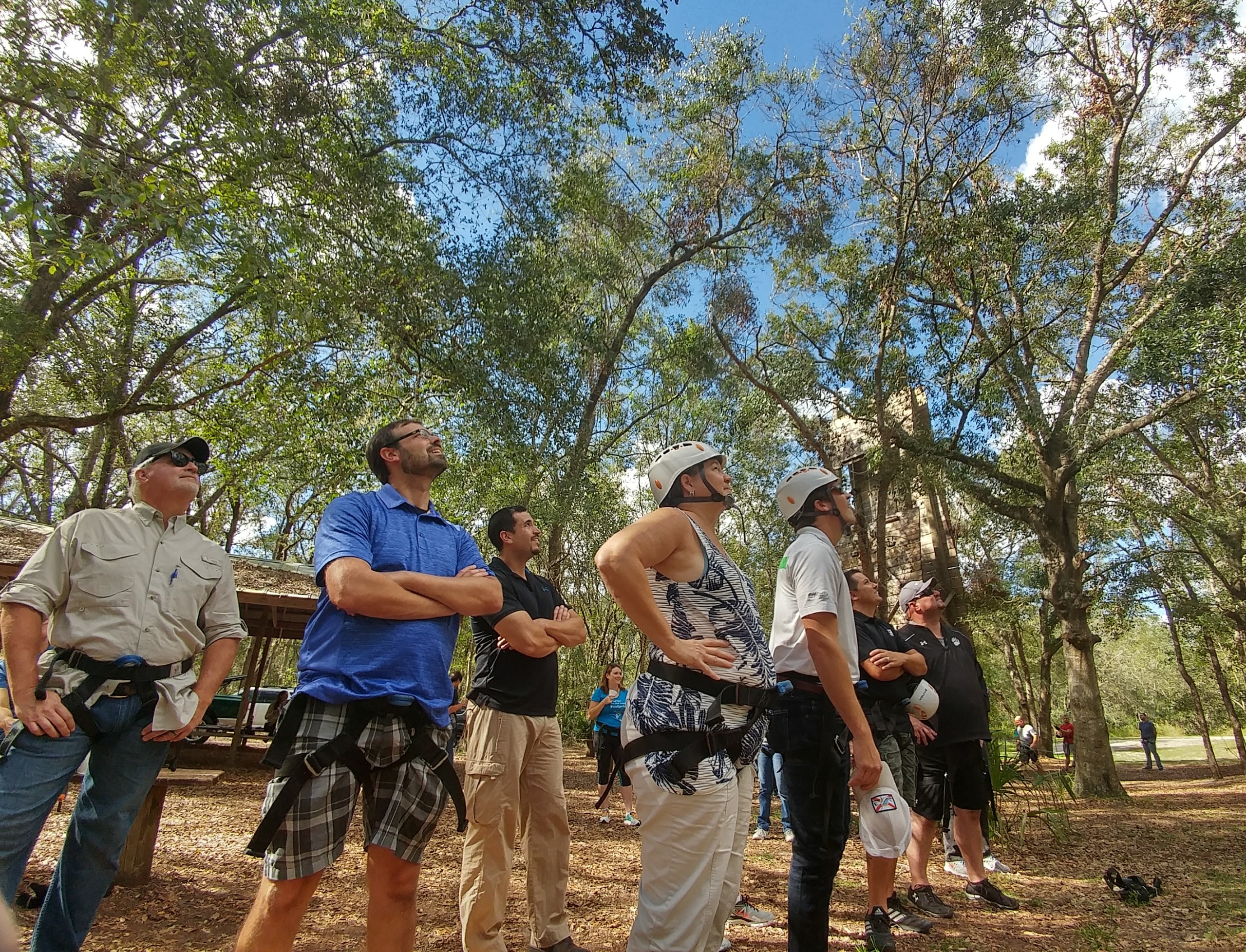
A local leadership class has turned one of Brevard's least glamorous nonprofit problems into a practical plan: how to find more volunteers, help them feel prepared and give them reasons to return.
As part of Leadership Brevard's Community Acceleration Project program, a Class of 2026 team partnered with Junior Achievement of the Space Coast to create a volunteer engagement strategy and playbook. LEAD Brevard says the roadmap was designed to strengthen recruitment, improve retention and build broader awareness of Junior Achievement's classroom work.
Why the volunteer pipeline matters
Junior Achievement relies on community volunteers to bring lessons about financial literacy, entrepreneurship and career readiness into Brevard classrooms.
The organization's current local impact dashboard reports:
- 17,096 students reached
- 433 local volunteers
- 425 classes
- 25 schools served
- 92,549 student contact hours
Those numbers make the challenge clear. Every additional classroom requires someone willing to prepare, walk into a school and guide students through a real-world lesson.
Junior Achievement's interim president, Candice Hodge, has worked with the organization since 2011. Her official biography says she helps match nearly 300 volunteers with Brevard classrooms in a typical year.
Candice Hodge helps coordinate volunteers with Brevard classrooms. Photo courtesy of Junior Achievement of the Space Coast.
What the Leadership Brevard team produced
LEAD Brevard described the finished work as a volunteer engagement strategy and playbook. Rather than organizing a one-day event, the team focused on the systems Junior Achievement can keep using after the class project ends.
That includes the full volunteer journey: how a potential volunteer first hears about the opportunity, what helps them say yes, how they are prepared for the classroom and what makes them willing to sign up again.
The project also addressed community awareness. Volunteer recruitment is harder when people know Junior Achievement's name but do not understand that its lessons are delivered by local professionals, retirees, college students and other neighbors.
How Community Acceleration Projects work
Leadership Brevard is a nine-month program that brings together professionals from private companies, nonprofits and public agencies. Its Community Acceleration Projects place small participant teams with local organizations facing a specific challenge.
The idea is to give a nonprofit access to a concentrated group of professional skills it may not have on staff. Teams research the issue, work with an organizational liaison and deliver something intended for real use rather than a classroom grade.
For Junior Achievement, the result is a roadmap that can help a small staff make better use of its limited recruitment time—and potentially reach more students without rebuilding the process from scratch each year.
How Brevard residents can help
Junior Achievement offers both in-person and virtual volunteer options. Classroom presenters receive materials and guidance before delivering lessons, and the organization works with volunteers and educators to coordinate schedules.
Residents interested in taking part can visit the Junior Achievement volunteer page. Teachers can also request a Junior Achievement program for their school or classroom.
The playbook itself will not teach a student how to budget or introduce them to a career they had never considered. But it may help make sure the next volunteer is recruited, supported and ready to walk through the classroom door. For a program built on people showing up, that is meaningful infrastructure.
Sources and useful links

Kimberly Smith
Kimberly reports on nonprofits, volunteers, public health, and the neighbors turning good intentions into measurable local change. She looks for clear ways readers can understand a need, meet the people responding to it, and take part themselves.