The People Behind Brevard's Sea Turtle Comebacks
Soggy Bottom arrived at Brevard Zoo tangled in fishing line and returned to the ocean months later. Her release shows how many people stand behind one turtle’s comeback.
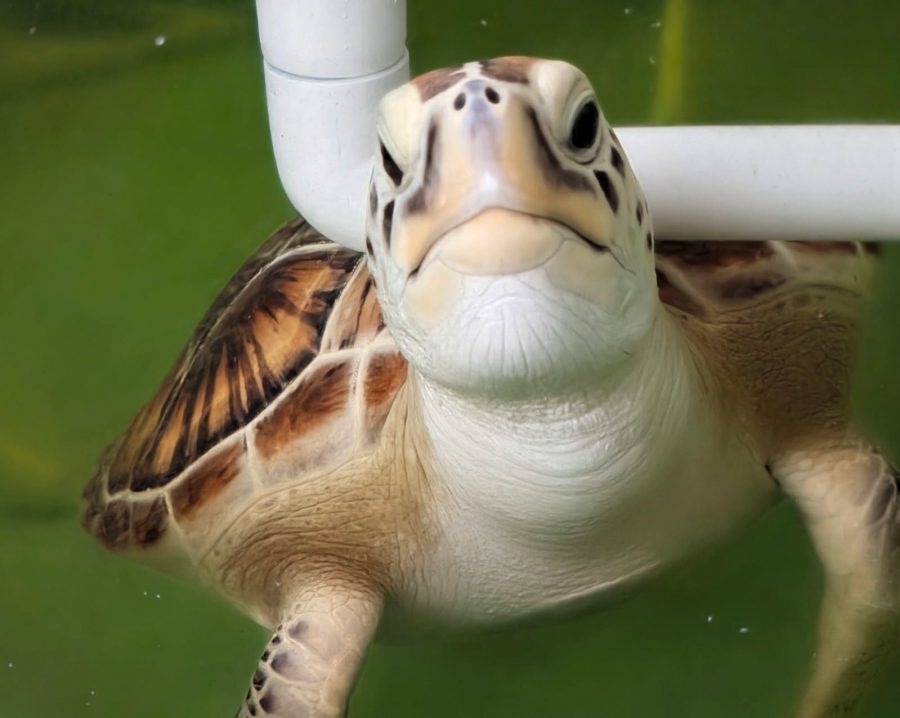
At the end of June, a juvenile green sea turtle named Soggy Bottom returned to the Atlantic from Lori Wilson Park in Cocoa Beach. She did not need to know how many people had helped her reach the water again. She simply swam.
Brevard Zoo's account of the release says Soggy Bottom was found in March near Jetty Park with fishing line wrapped around her neck and front flipper. From there, she entered the zoo's Sea Turtle Rehabilitation Center for treatment and recovery.
One rescue begins with somebody noticing
Sea-turtle rehabilitation often starts before a veterinarian sees the animal. A beachgoer, angler, boater or volunteer recognizes that something is wrong and reports it. Wildlife responders then coordinate transport to a permitted rehabilitation facility.
At the center, veterinary staff and animal-care teams evaluate injuries, manage wounds, monitor eating and behavior, and keep detailed records until a turtle is strong enough to be considered for release.
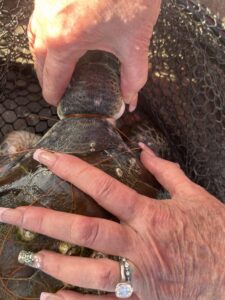
Photo courtesy of Brevard Zoo and the East Coast Zoological Foundation.
The quiet work between rescue and release
A release is the visible part. The less visible part is weeks or months of water-quality checks, tank cleaning, medication, feeding and observation. Brevard Zoo's rehabilitation program opened in 2014 and operates 14 treatment tanks for patients ranging from small washbacks to adult sea turtles.
Fishing line and hooks remain preventable threats. Anglers can help by taking discarded line home or using designated recycling containers. Anyone who sees a sick, injured or entangled sea turtle in Florida should contact the Florida Fish and Wildlife Conservation Commission through the Wildlife Alert system rather than trying to move the animal alone.
Soggy Bottom's release was one happy ending. It was also the result of a chain of people who noticed, called, transported, treated, cleaned, fed and waited.
Sources

Stephen Garcia
Stephen covers Brevard's wildlife, parks, science, launches, and aerospace workforce. He is drawn to the people doing technical or conservation work behind the scenes — and to explaining why that work matters close to home.